
Game On Boston: Your Ultimate Game Watching Guide
Finding the right spot to watch the game matters. You need screens you can actually see, enough space for your group, and service that keeps up when everyone orders at once. Game On in Boston…
Game On Boston: Your Game Watching Party Venue Guide
Finding the right spot to watch the game matters. You need screens you can actually see, enough space for your group, and service that keeps up when everyone orders at once. Game On in Boston delivers on these basics, located steps from Fenway Park in a neighborhood built around sports.
Why Game On Works for Game Watching Parties
Game On sits directly across from Fenway Park, which means it exists in the middle of Boston's sports culture rather than trying to create one artificially. The location draws fans who actually care about the games they're watching, not people who showed up because it was convenient.
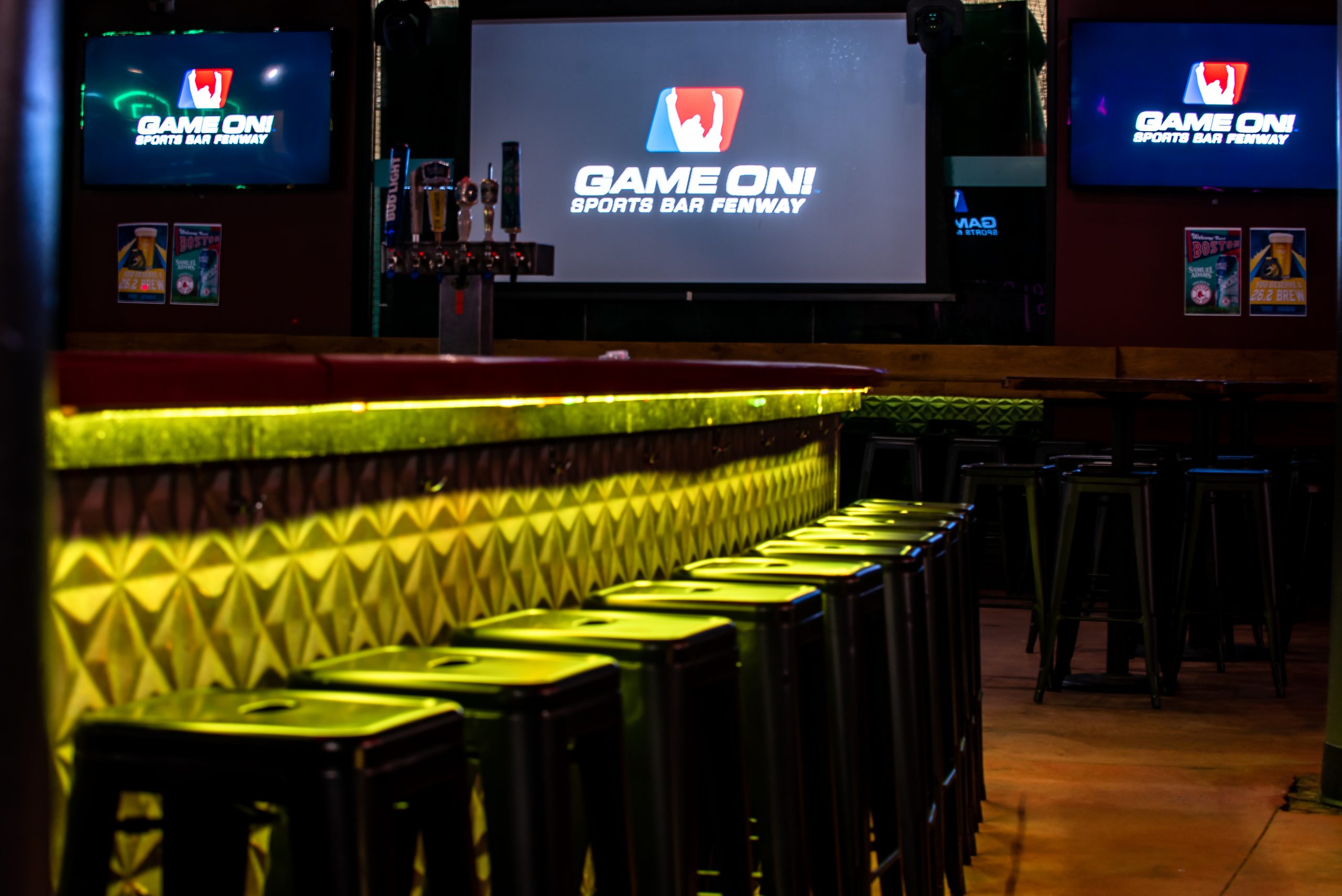
The venue has two floors with screens distributed throughout both levels. This solves the common sports bar problem where half the seats have terrible sight lines. Most spots at Game On give you a clear view of at least one large screen. The main floor has a central bar surrounded by high-top tables and booths. The second level adds more seating with its own screens.
Game On's real advantage is handling volume. The space absorbs large crowds during major games while keeping things functional. The staff knows game day operations—they anticipate surges, keep drinks moving during commercial breaks, and understand when to check on tables versus when to leave people alone.
The crowd mixes locals, college students, and visitors looking for an authentic Boston sports experience. During Patriots games, you'll find fans in jerseys arguing about plays at the bar. Celtics playoff games bring a different intensity—more reactive to every possession. Red Sox games, given the Fenway proximity, often draw pre-game crowds or fans looking for a spot when tickets sell out. Each sport brings its own energy without the venue forcing a manufactured atmosphere.
Boston has plenty of places to watch games, but most fit predictable patterns: neighborhood bars with limited space, chain restaurants with decent screens but generic atmospheres, or upscale spots where sports feel secondary. Game On occupies a middle ground—serious about sports without being exclusive, spacious without feeling impersonal, energetic without becoming chaotic.
The Game Watching Experience
Game On invested in screen quality and placement, not just quantity. Each screen shows clear, high-definition feeds with proper color calibration and brightness that remains visible during day games when sunlight comes through the windows. You won't watch a crucial play on a washed-out or pixelated screen.
Audio management matters. Game On runs sound for major games on the main floor, with volume levels that stay audible without drowning out conversation. During big moments—a touchdown, a buzzer-beater, a controversial call—crowd noise naturally rises and the audio blends into the collective reaction. For games on secondary screens, the venue runs closed captioning so fans of different teams can follow their games without audio conflicts.
The bar area is the high-energy zone. Patrons at the bar get the fastest access to drinks and the closest proximity to main screens. Energy here peaks during close games, with strangers becoming temporary allies or rivals based on team allegiances. This section works for solo viewers or small groups who want to be in the thick of things.
Table sections offer more controlled environments for groups who want to watch together without fighting for bar space. Booths along the walls provide semi-private areas where parties of four to six can settle in for a full game. High-top tables in the middle accommodate varying group sizes with flexibility—pull chairs together or spread out depending on your needs.
The second floor provides an alternative during capacity crowds. When the main floor fills during playoff games or championships, upstairs offers breathing room while maintaining screen access and full bar service. Some groups prefer starting upstairs, appreciating the slightly lower noise levels and easier movement between tables and the bar.
Lighting stays low enough to enhance screen visibility without making the space feel dark. During day games, natural light from windows creates a more casual, less intense vibe. Evening games benefit from dimmed interior lighting that focuses attention on screens.
The layout encourages social interaction without forcing it. You can talk during slower game moments, then shift focus back to the screen when action intensifies. This balance works for different types of watch parties—from serious fans who want to analyze every play to casual viewers who care more about the social experience.
Planning Your Visit: Reservations and Walk-Ins
The reservation question depends on what you're watching and when. For regular season weeknight games, walk-ins usually work if you arrive at a reasonable time. A Tuesday night Celtics game against a mid-tier opponent won't pack the venue. Showing up 30 minutes before tip-off typically secures a decent spot. The same applies to afternoon weekday games or early-season matchups without significant buzz.
The calculation changes for marquee events. Patriots playoff games, Celtics playoff games, Red Sox-Yankees matchups, and championship games in any sport require reservations. For these events, book a week ahead at minimum; two weeks is safer. The venue fills to capacity for high-stakes games, and walk-ins often face long waits or no availability.
Sunday NFL games occupy a middle ground. Early games with 1 PM kickoffs are manageable with walk-ins if you arrive by 12:30 PM. The 4 PM games see heavier traffic, and Sunday Night Football consistently draws crowds that make reservations advisable. If the Patriots are playing in any of these slots, arrive earlier for walk-ins or book ahead regardless of time.
Making a reservation doesn't guarantee a specific table or screen proximity, but it guarantees entry and seating. When calling to reserve, you can express preferences—"We'd like to be near a screen showing the Celtics game" or "We prefer the upstairs area"—and staff will accommodate when possible. During peak times, the priority is getting everyone seated rather than fulfilling specific location requests.
Group size affects reservation strategy. Parties of two to four have more flexibility with walk-ins because the venue can usually squeeze smaller groups into available spaces. Groups of six or more should always reserve, regardless of the game's significance. Coordinating seating for larger parties without a reservation creates problems for both staff and your group.
Walk-in timing requires strategic thinking. Arriving 60-90 minutes before a major game kickoff gives you the best chance of securing good spots without a reservation. This early arrival means spending more time at the venue (and likely ordering more food and drinks), but that's the trade-off for flexibility. For less critical games, 30-45 minutes provides adequate buffer.
The venue's proximity to Fenway Park creates unique patterns on Red Sox game days. When the Sox play at home, Game On sees pre-game traffic from fans heading to the ballpark and overflow from sold-out games. If you're planning to watch a different sport during a Red Sox home game, expect the venue to be busier than usual.
Weather affects crowd patterns. Bad weather—heavy rain, snow, extreme cold—increases sports bar traffic as people opt for indoor viewing over outdoor activities or traveling to games. Beautiful weather can thin crowds for less important games as people choose patios or outdoor activities. Factor this into your walk-in calculations.
Group Accommodations and Viewing Areas
Game On handles groups better than most Boston sports bars because the space was designed with capacity in mind. The venue accommodates parties from intimate groups of four to larger gatherings of 20 or more, though the approach differs based on size and the specific game day.
For groups of six to ten, booth sections and clustered high-top tables work well. When making reservations for this size, staff typically assigns adjacent tables or a large booth that keeps everyone together. The key is communicating your group size accurately when booking—if you say six people but eight show up, the venue may not be able to expand your seating during busy periods.
Larger groups of 15-20 require more advance planning. The venue can section off areas of the second floor or arrange multiple tables in proximity on the main floor. These arrangements work best when booked at least two weeks ahead for major games, giving staff time to plan the floor layout. Corporate groups and team outings often use Game On for this purpose—the venue has experience managing larger parties and understands the logistics.
Semi-private areas exist but aren't fully enclosed private rooms. The second floor can function as a semi-private space for large groups during less busy times, and certain booth sections offer more separation from the main crowd. If your group wants a more exclusive experience, discuss options directly with management when booking rather than hoping for privacy as a walk-in.
Coordinating group reservations requires designating one point person. This person makes the reservation, communicates with the venue about special requests, and coordinates arrival. Groups that show up piecemeal—two people at 6 PM, three more at 6:30, another four at 7—create seating challenges. Establish a meeting time and stick to it.
Group dynamics matter when choosing your spot. If your group includes loud, passionate fans who yell at the screen, the bar area or main floor center sections embrace that energy. If you have a mix of serious fans and social viewers, booths or upstairs tables provide space for both experiences. If anyone in your group has mobility concerns, ground floor seating near the entrance makes more sense than navigating stairs.
The venue handles group food orders efficiently, but understanding the system helps. Rather than everyone ordering individually throughout the game, coordinating one or two large orders of shareable items streamlines service and ensures food arrives when your group actually wants it. This approach works better during high-traffic games when the kitchen is managing high volume.
Team outings and corporate events benefit from contacting Game On in advance to discuss specific needs. The venue can arrange dedicated servers for large groups, customize food packages, and ensure your party gets appropriate attention even during busy game days. These arrangements require planning—you can't show up with 25 coworkers on Patriots playoff Sunday and expect seamless service without prior coordination.
Best Spots for Viewing
Screen proximity doesn't automatically equal the best viewing experience. Sitting directly under a screen means craning your neck upward for three hours, which gets uncomfortable. The optimal viewing distance is roughly 10-15 feet from a large screen, which puts you in the middle sections of the main floor or at the far end of the bar.
Bar seating offers advantages and trade-offs. You get immediate access to bartenders, which means faster drink service during commercial breaks. You're also in the highest-energy section, surrounded by other fans who are fully engaged. The downside is less personal space and the need to defend your seat if you leave for the bathroom or to order food. Bar seats work best for solo viewers or pairs who want to be in the action.
Corner booths along the walls provide the most comfortable seating for extended viewing. You can settle in, spread out food and drinks, and maintain your spot without constant vigilance. The trade-off is slightly reduced screen proximity and less immersion in crowd energy. These spots suit groups who prioritize conversation alongside game watching or anyone planning to be there for multiple games in a row.
High-top tables in the center sections split the difference between bar energy and booth comfort. You get decent screen views, reasonable proximity to the bar, and enough space for a group of four to six. These tables turn over faster than booths during peak times, so securing one as a walk-in is more feasible.
The second floor's main advantage is space during capacity crowds. When downstairs is packed shoulder-to-shoulder during playoff games, upstairs offers room to move and easier bathroom access. The screens are smaller than the main floor's primary displays, but the reduced crowding can make for a better overall experience if you value comfort over being in the absolute center of the action.
Requesting specific seating when making reservations is reasonable but not guaranteed. Phrases like "We'd prefer to be near the main screen" or "Can we get a booth if available?" signal your preferences without demanding impossibilities. Staff will accommodate when they can, but during major games, the priority is fitting everyone in.
Arriving early gives you first choice of available spots, whether you have a reservation or not. Even with a reservation, showing up right at your scheduled time might mean accepting whatever table just opened up. Arriving 15-20 minutes early lets you survey the room and potentially request a specific area if multiple options are available.
Game Day Timing: When to Arrive
Championship games and playoff events require the earliest arrival times. For Super Bowl Sunday, Patriots playoff games, or NBA Finals games with the Celtics, arriving two hours before kickoff isn't excessive if you're walking in without a reservation. Even with a reservation, arriving 60-90 minutes early ensures you get settled before the venue reaches capacity.
Regular season Patriots games draw consistent crowds, but arrival time varies by opponent and game significance. A December game against a division rival needs earlier arrival than a September game against a rebuilding team. For most Patriots games, arriving 60 minutes before kickoff provides adequate buffer for walk-ins; 30-45 minutes works if you have a reservation.
Celtics games see more variable attendance based on opponent and season timing. Playoff games pack the venue and require early arrival similar to Patriots games. Regular season games against marquee opponents (Lakers, Warriors, 76ers) draw bigger crowds than games against less popular teams. Weeknight games generally have lighter attendance than weekend games, even for the same opponent.
Red Sox games create unique timing considerations because of Fenway's proximity. When the Sox play at home, Game On fills with pre-game crowds starting two hours before first pitch. If you're watching a different sport during a Red Sox home game, account for this additional traffic. For away Red Sox games, arrival timing follows standard patterns based on opponent and game significance.
Sunday NFL schedules require different strategies for different time slots. For 1 PM games, arriving by 12:30 PM secures decent spots for walk-ins. The 4 PM window sees heavier competition—arrive by 3 PM at the latest. Sunday Night Football consistently draws the biggest crowds of the week, making reservations advisable and early arrival essential for walk-ins.
Weeknight games offer the most flexibility. Monday Night Football, Tuesday or Wednesday NBA games, and weeknight baseball games rarely reach capacity unless they're playoff games or feature major rivalries. Arriving 30 minutes before start time usually suffices for these events.
The period between games creates opportunities. If you're watching multiple games in sequence—say, an early NFL game followed by a late game—arriving for the first game and staying through the second is easier than leaving and trying to return. The venue doesn't clear out between games, so maintaining your spot avoids the hassle of re-entry during peak times.
Food and Drinks for Your Watch Party
The food at Game On does what it needs to do: provides substantial, shareable options that complement game watching without requiring focused attention. The menu covers classic sports bar territory with wings, nachos, burgers, and sandwiches you can eat with your hands while keeping your eyes on the screen.
Wings come in multiple flavors and sizes, making them ideal for groups who want to order several rounds throughout a game. The advantage of wings during games is their shareability and the fact that they arrive quickly even during busy periods. Nachos follow similar logic—large portions that feed multiple people and don't require plates or utensils beyond what's provided.
Burgers and sandwiches work better for individuals or smaller groups who want more substantial meals. These items take longer to prepare during peak times, so ordering early in the game makes more sense than waiting until halftime when the kitchen is slammed. The portions are sized appropriately—you'll leave full without feeling shortchanged.
Shareable appetizers make the most sense for groups watching full games. Ordering 2-3 large appetizers for a group of six provides enough food to last through most of a game without overwhelming the table or requiring constant server attention. This approach also allows for variety—different people can gravitate toward different items without everyone committing to the same meal.
Drink service during games operates on a rhythm. Bartenders and servers understand that commercial breaks are prime ordering times, and they position themselves to take orders quickly during these windows. Having your next round in mind before the commercial break starts speeds up the process. During major games, expect slightly slower service simply due to volume—every table is ordering simultaneously during breaks.
The bar stocks standard beer options alongside local Boston breweries, providing choices for both casual drinkers and craft beer enthusiasts. The cocktail menu covers basics without attempting elaborate mixology that would slow down service during busy periods. This practical approach matches the venue's purpose—drinks should arrive quickly and taste good, not serve as conversation pieces.
Draft beer is the most efficient choice during high-traffic games. Bartenders can pour drafts faster than they can open bottles or mix cocktails, which means you get your drink faster and they can move to the next order. If you're ordering multiple rounds throughout a game, sticking with draft beer or simple mixed drinks keeps things moving.
The venue runs drink specials that vary by day and event. These specials typically align with what makes sense for the crowd—beer promotions during football games, for example. Asking about current specials when you first order can save money over the course of a long game, especially if you're buying rounds for a group.
Food timing strategy matters more than most people realize. Ordering appetizers at the start of the game means they arrive during the first quarter or early innings when kitchen volume is manageable. Waiting until halftime or the middle innings puts your order in competition with everyone else who had the same idea. If you know you'll want food throughout the game, stagger your orders—appetizers early, another round at halftime, and maybe a final order in the third quarter if needed.
For groups, designating one person to handle food and drink orders streamlines the process. This person can coordinate with the server, collect everyone's requests during commercial breaks, and place group orders rather than having the server take six individual orders. This approach is faster for everyone and reduces the chance of orders getting mixed up or forgotten.
The kitchen handles modifications reasonably well, but during peak times, keeping orders simple helps. Requesting extra sauce or leaving off an ingredient is fine. Asking for extensive customization on multiple items during a playoff game slows everything down. If someone in your group has dietary restrictions, reviewing the menu ahead of time and identifying suitable options prevents last-minute complications.
Making the Most of Your Game Watching Party Venue
Game On works because it understands what people need from a game watching party venue: reliable screens, functional space, and staff who know how to handle crowds during high-stakes games. The location near Fenway Park puts you in the center of Boston's sports culture, which means the energy comes from genuine fans rather than manufactured atmosphere.
The venue handles both spontaneous